
News
Collaboration, Leadership and the Future of UK Contact Centres: Inside the Guild’s June National Meeting
30 July 2026
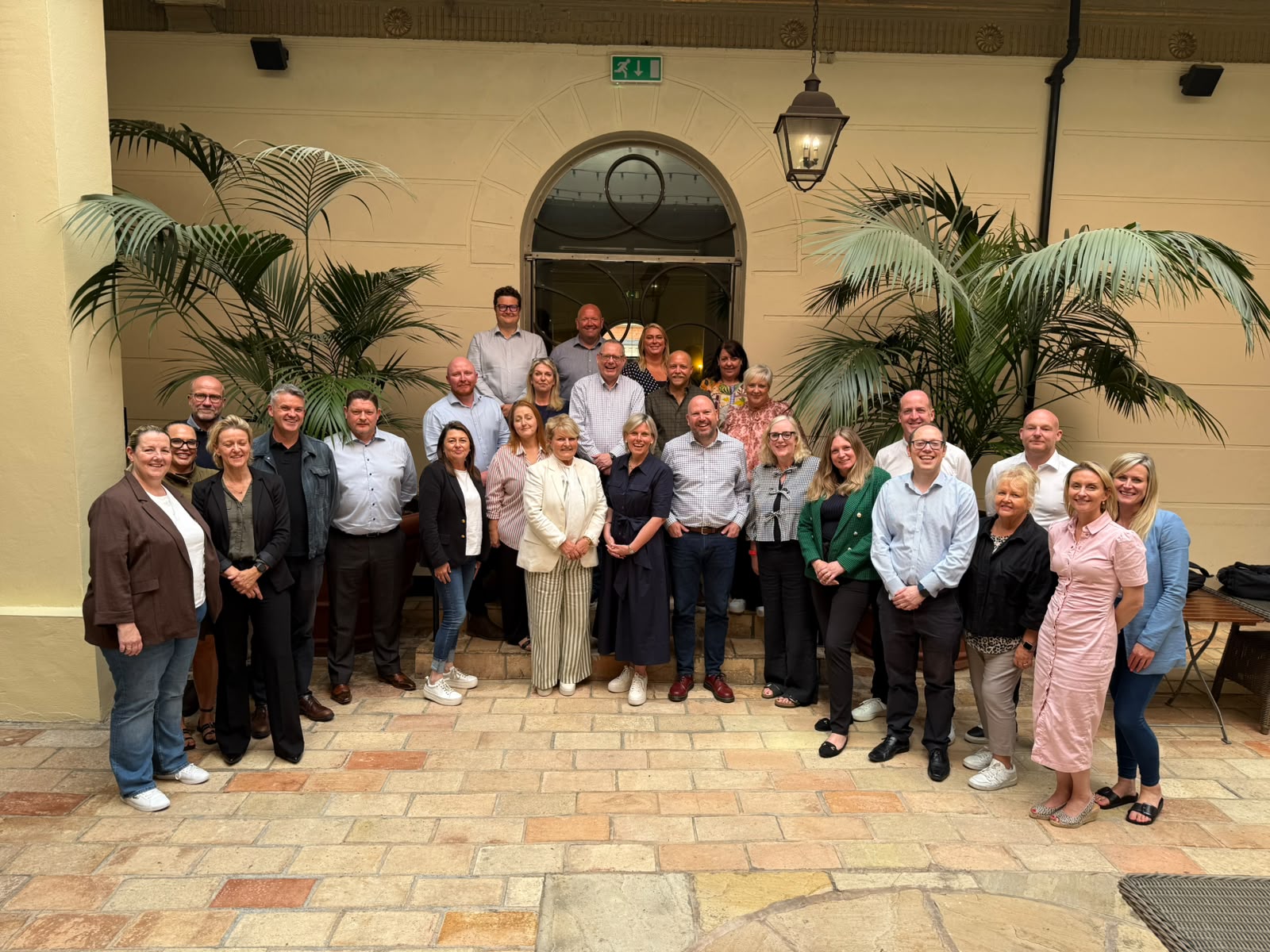
The Contact Centre Directors’ Guild recently brought members together for our June National Meeting – a day focused on collaboration, shared learning and the future of the UK contact centre industry.
Guild meetings are closed and confidential, giving senior leaders a trusted environment in which they can speak openly about their experiences, challenges and priorities. While individual contributions and organisational details remain private, this summary provides an insight into the themes explored and the progress being made through the Guild.
Building momentum as a national voice
The meeting provided an opportunity to reflect on the Guild’s development and the progress achieved during its first year.
Our membership continues to grow, bringing together leaders from an increasingly diverse range of organisations, sectors and regions. This breadth of experience strengthens the Guild’s ability to represent the industry and creates a valuable network through which members can learn from one another.
There was a clear sense of shared purpose in the room: the UK contact centre industry needs a strong, credible and coordinated voice.
As the Guild moves into its next phase, our focus is on building an influential, outcomes-led organisation that can raise the profile of the sector, support its leaders and contribute meaningfully to the conversations shaping its future.
Members also discussed the importance of strong governance, consistent engagement and collaboration with other industry bodies, policymakers and regional stakeholders. These foundations will be central to ensuring the Guild develops with credibility and remains genuinely led by the needs of its members.
Creating better employee experiences
A significant part of the meeting explored employee experience and engagement, including how organisations can create workplaces in which people feel supported, valued and able to perform at their best.
The discussion considered the complete employee journey, from recruitment and onboarding through to development, recognition, progression and eventual departure. A central theme was that workplace culture does not develop independently; it is shaped by the experiences organisations intentionally create and reinforce.
Members shared examples of forward-thinking initiatives that are already making a positive difference across the sector. These approaches highlight a side of contact centres that is not always widely recognised – progressive, people-focused workplaces that invest in their employees and communities. They included:
- Flexible working and shift arrangements
- Leadership development and coaching
- Recognition and reward programmes
- Visible and accessible senior leadership
- Wellbeing and inclusion initiatives
- Community engagement and social impact
- Structured development pathways for frontline and operational leaders
The conversation also acknowledged the pressures organisations are navigating, including recruitment challenges, inconsistent onboarding, increasing workloads and the difficulty of maintaining a people-focused culture during periods of rapid growth or commercial pressure.
Across these discussions, honesty, transparency and regular feedback emerged as essential components of trust and engagement.
Preparing people for an AI-enabled future
Artificial intelligence and workforce transformation were prominent themes throughout the meeting.
Rather than focusing only on technology, members explored the importance of preparing people and organisational cultures for change. Successful adoption requires more than introducing new tools; employees need to understand why change is happening, how their roles may evolve and what support will be available to them.
The discussion highlighted several principles for responsible and effective AI adoption:
- Begin with a clearly defined business or customer outcome
- Establish strong, trusted and well-governed data foundations
- Give employees access to appropriate tools, training and time to learn
- Communicate openly about how roles and responsibilities may change
- Build AI capability into development and progression pathways
- Give transformation clear ownership and accountability
- Demonstrate visible leadership commitment
A consistent message was that AI may improve speed, productivity and efficiency, but human judgement, empathy and relationship-building will remain critical strengths of the contact centre industry.
This creates an opportunity for the UK to strengthen its position within the global contact centre market by focusing on the complex, sensitive and higher-value interactions in which skilled people make the greatest difference.
Strengthening frontline leadership
Members also explored the role of team leaders and frontline managers in improving employee engagement, operational consistency and performance.
These roles sit at the point where organisational strategy becomes the everyday employee experience. However, leaders can often become absorbed in immediate operational pressures, leaving limited time for coaching, development and proactive performance management.
Discussion focused on the value of:
- Structured onboarding and development for new leaders
- Consistent coaching frameworks
- Clear operational expectations and standards
- Creating time and capacity for meaningful people leadership
- Encouraging knowledge-sharing across teams
- Developing active, rather than reactive, management cultures
There was strong agreement that investment in frontline leadership is one of the most effective ways to improve employee experience, strengthen organisational culture and deliver sustainable operational results.
Rethinking flexibility and workforce planning
Working discussions examined how workforce planning decisions affect engagement, accessibility and retention.
There is no single model that works for every contact centre. Operating hours, customer demand, location, workforce demographics and commercial requirements all shape the options available.
However, members recognised the importance of considering the employee experience when designing shift patterns and workplace arrangements. Transport costs, commuting infrastructure, caring responsibilities and opportunities for workplace connection can all influence whether a model works in practice.
Flexibility can also help contact centres access a broader and more diverse talent pool. The most effective approaches balance customer and operational requirements with a realistic understanding of employees’ lives outside work.
Creating more valuable industry conversations
The meeting included a wider discussion about how industry events can better serve senior contact centre leaders.
Members expressed a desire for more opportunities to engage in honest, practical conversations about operational challenges and share what has – and has not – worked within their organisations.
The Guild is exploring how it can support this through leadership discussions, peer-led panels, accessible networking spaces and opportunities for delegates to connect with experienced industry practitioners.
This reflects the Guild’s broader purpose: to create trusted spaces where leaders can move beyond theory, exchange practical insight and work collectively on the issues affecting the sector.
Moving forward together
This June National Meeting demonstrated the value of bringing leaders from across the country together in one room.
It was an open, constructive and forward-looking day, reflecting both the scale of the challenges facing the industry and the strength of its leadership community.
The priorities identified through the meeting will help shape the Guild’s future activity, including its thought leadership, industry engagement, working groups and public-facing initiatives.
As we continue to grow, our focus remains clear: to connect the leaders shaping the UK contact centre industry, strengthen its collective voice and help ensure the sector and its people are equipped to thrive.